
What to Pack for Pokhara
Complete packing checklist tailored to Pokhara's climate and culture
Climate Overview for Pokhara
Pokhara sits in a temperate valley, cradled by the Annapurna range. The air carries gentle humidity from nearby Phewa Lake. Sunlight filters soft. Evenings drop cool from the mountains. This climate demands layers. Mornings start misty, needing a light fleece. Afternoons warm under clear skies, short sleeves suffice. Sudden showers arrive with a patter on tin roofs. Damp earth and fresh greenery scent the air. Pack for these gentle shifts. One day, many moods.
Clothing & Footwear
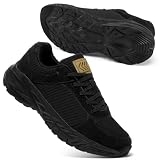
Lakeside Pokhara streets are paved yet uneven. World Peace Pagoda means stone steps. Your feet will scrape. Choose cushioning. Skechers Men's Go Walk Max delivers.

Humidity slows laundry. Quick-dry underwear saves the day. Bamboo viscose set stays fresh. No waiting for damp air. Good for multi-day treks.
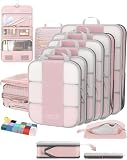
Lodges offer compact storage. Compression cubes like BAGAIL set save space. Separate trekking gear from city clothes. Transition trails to cafes smoothly.

Spontaneous boat on Phewa Lake? Packable daypack is perfect. Tucks away until needed. Carry sweater for cool evenings. Bring home handmade paper souvenirs.
Electronics & Gadgets

Pokhara uses Type C, D, and M plugs. Universal adapter like Travel Adapter USB C with GaN PD3.0 keeps devices charged. No socket hunt after temple bells.

Power cuts still occur. High-capacity power bank like Anker Zolo saves the day. Navigate when lights go out. Preserve mirrored mountain photos on Phewa Lake.

Braided cables survive repeated packing. Spares let you charge headlamp, phone, power bank. Ready for Sarangkot sunrise hike. Early mornings demand juice.
Noise-canceling headphones create quiet sanctuary. Survive long bus rides to Pokhara. Flights with crying babies? No problem. Listen to podcasts above Prithvi Highway hum.

Good for lazy Phewa Lake afternoons. Glare-free screen under bright sun. Long battery life means no outlet hunt. Multi-day retreat stays unplugged.

Older guesthouses have few outlets. Compact power strip with USB ports saves the night. Charge phone, camera, adapter. Capture first pink light on Machhapuchhre.
Toiletries & Health

Treat trail scrapes or blisters. Compact, waterproof kit fits daypack. Easy toss for Devi's Fall or Peace Pagoda hike. Safety first.
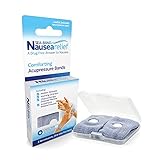
Winding mountain road from Kathmandu to Pokhara induces nausea. Acupressure bands like Sea-Band give drug-free relief. Focus on terraced vistas. Stomach stays calm.

Solid shampoo and conditioner bars prevent leaks. Reduce plastic waste. Align with eco-conscious Pokhara outfits. Work well with soft, mineral-rich water.

Weekly organizer keeps meds safe. Never miss a dose. Secure and dry during humid lake excursions. Dusty Old Bazaar walks included.
Documents & Security
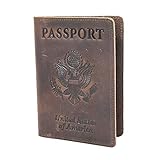
Keeps passport, Nepali visa, trekking permits secure. Navigate crowded Lakeside with ease. RFID blocking adds safety in busy zones.

Carry large amounts of Nepali rupees. Worn under shirt or jacket. Cash stays safe on packed buses. Bargain freely in Pokhara markets.

Secure luggage left at hotel. Lock daypack zippers on crowded Phewa Lake boats. Peace of mind. Simple solution.

Track checked luggage on flights to Kathmandu. Bus transfers to Pokhara monitored. Delayed bag? Know its location. Complex chain simplified.
Comfort & Convenience

Memory foam neck pillow for six-hour bus ride. Kathmandu to Pokhara is bumpy. Rest while Prithvi Highway winds. Support matters.

Thin hotel curtains let in light. Contoured mask like MZOO blocks dawn over Annapurnas. Sleep before Sarangkot sunrise. Essential rest.

Lakeside bars thrum at night. Reusable silicone earplugs mute music. Roosters and prayer calls silenced. Uninterrupted rest guaranteed.
Stay hydrated in Pokhara's climate. Collapsible bottle is light for hikes. Refill with filtered guesthouse water. Reduce plastic waste.
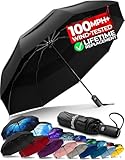
Showers strike without warning. Compact, windproof umbrella keeps you dry. Walk lakefront as rain sizzles on pavement. Always ready.

Tuck a foldaway tote into your pocket before you roam Pokhara's markets. Grab pashmina shawls, wooden carvings, spices. Skip flimsy plastic. Pack light, shop more.
Outdoor & Hiking Gear

Short hikes near Pokhara still bite. The climb to World Peace Pagoda is steep stone and slick mud. Trekking poles steady every step. Bring them.
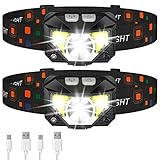
Sarangkot sunrise means a 4 a.m. walk in the dark. Strap on a headlamp. Power cuts hit remote guesthouses too. Hands free, eyes forward.

Leave the valley on day hikes and treated water vanishes. Screw a Sawyer Squeeze onto any stream. Cold Himalayan water, safe to drink. Taste the source.

Whistle and compass weigh almost nothing. Trails around Pokhara fork without signs. Sound carries in quiet hills. Know which way is down.
Seasonal Packing Adjustments
What to add or skip depending on when you visit
Spring (March-May)
March, April, May
Add: Sunscreen with high SPF, Wide-brimmed hat, Light, long-sleeved shirts for sun protection
Shop Spring (March-May) essentials →Skip: Heavy fleece or sweater
Spring skies invite paragliders over Pokhara. Rhododendrons paint the hills pink and scent the breeze. Evenings stay gentle.
Monsoon (June-September)
June, July, August, September
Add: Quick-dry pants and shirts, Sturdy, waterproof sandals, Waterproof backpack cover, Mosquito repellent
Shop Monsoon (June-September) essentials →Skip: Non-waterproof hiking shoes, Lightweight fabrics that take long to dry
Monsoon rain hammers down. Trails turn to chocolate pudding. Leeches cling. Clouds hide peaks. Yet green explodes and waterfalls roar.
Autumn (October-November)
October, November
Add: Light down jacket or warmer fleece, Light gloves and beanie for early mornings
Shop Autumn (October-November) essentials →Skip: Umbrella (can often rely on clear skies), Excessive summer-weight clothing
October and November glow. Air scrubs clean, Annapurna doubles in Phewa Lake. Days shine warm, nights bite cold.
Winter (December-February)
December, January, February
Add: Insulated down jacket, Thermal base layers, Warm hat, scarf, and gloves
Shop Winter (December-February) essentials →Skip: Only light layers, Short-sleeved shirts as primary wear
Winter dawns sparkle. Sun warms the valley, shadows drop fast. Mist curls over the lake. Frost glitters. Rain is rare.
Luggage Recommendation
A 40-50 L backpack or small spinner suitcase handles Pokhara chaos. It slides under bus seats, wedges into taxi trunks, tucks under guesthouse beds. Room for layers and day-hike kit. Not trekking far? Agencies store your main bag free while you roam with a lighter pack.
Shop Carry-On Luggage on AmazonPro Packing Tips
Practical advice from experienced travelers
Don't Pack
- Skip the bulky parka. Pokhara nights are cool, not brutal. Layer up instead. A down jacket from Thamel in Kathmandu costs less and fits local style.
- Leave the salon at home. Shampoo and conditioner line every shelf in Bhat-Bhateni supermarket and corner shops. Buy there, save weight, dodge leaks.
- Flashy watches and gold chains feel out of place in Pokhara's laid-back, trail-ready scene. Crowded lakeside lanes invite pickpockets. Keep it simple.
- One paperback is plenty. Lakeside bookshops, like Tibetan Magic Book Shop, swap dog-eared classics daily. Trade finished books for new ones by the water.
- Full rolls hog space. Every guesthouse stocks toilet paper. Tuck a small wad in your daypack. Done.
- Skip imported cans. Pokhara bakeries sell warm sel roti and seasonal fruit for pocket change. Eat local, taste better.
Buy Locally
- Grab a Nepali SIM at Pokhara Airport kiosk or Lakeside store. Bring a passport photo and copy. Ncell or NTC plans are cheap and the valley signal is strong.
- Need gear for two days? Lakeside rental shops hand over sleeping bags, down jackets, trekking poles by the day. Pay pennies, return muddy.
- Street stalls knit hats, gloves, socks in bright wool. Cheaper than imports, warmer than memories. Your rupees feed local artisans.
- Pharmacies on every corner sell chlorine tablets. Drop one in your bottle at night. Safe water by breakfast.
Packing Hacks
- Roll clothes instead of folding to save space
- Pack shoes in shower caps to protect clothes
- Use packing cubes to stay organized
- Keep essentials in your carry-on
Continue Planning Your Trip
More guides to help you prepare
Ready to plan your trip to Pokhara?
Now that you've got the research covered, here's where to go next.